
Call us now:


STAINLESS STEEL BAR GUIDE
304 vs 316 Stainless Steel Bar
This 304 vs 316 stainless steel bar guide explains corrosion resistance, applications, machining performance, cost, and selection tips for buyers, engineers, and manufacturers.
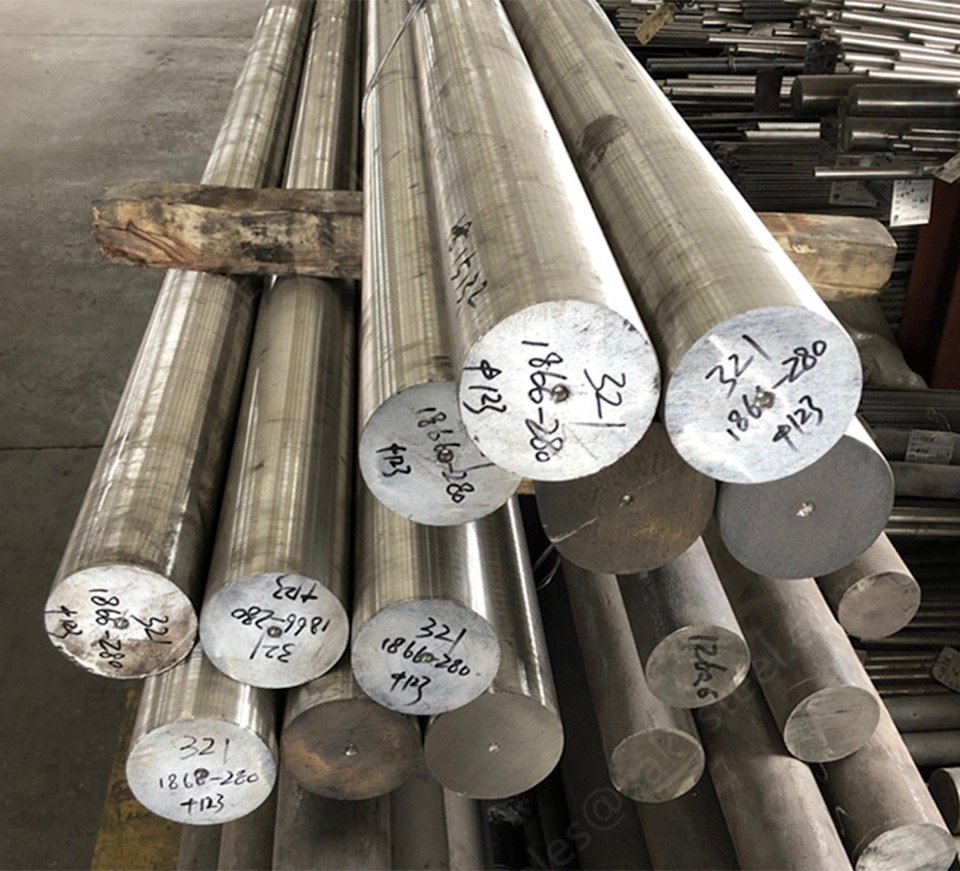
304 vs 316 Stainless Steel Bar: Quick Answer
Choose 304 stainless steel bar for general industrial use, indoor equipment, food processing machinery, and cost-sensitive machining projects. Choose 316 stainless steel bar for marine parts, coastal structures, chemical processing equipment, chloride exposure, and applications where corrosion failure would be expensive.
GRADE 304
Economical and versatile
304 stainless steel bar is a chromium-nickel austenitic stainless steel with good corrosion resistance, strong formability, and reliable performance for general industrial and commercial use.
GRADE 316
Better for harsh environments
316 stainless steel bar contains molybdenum, giving it stronger resistance to pitting, crevice corrosion, chloride exposure, seawater, and chemical processing conditions.
304 vs 316 Stainless Steel Bar Comparison Table
| Item | 304 Stainless Steel Bar | 316 Stainless Steel Bar |
|---|---|---|
| Main alloy feature | Chromium-nickel stainless steel | Chromium-nickel stainless steel with molybdenum |
| Corrosion resistance | Good for normal environments | Better for chloride, marine, and chemical environments |
| Pitting resistance | Moderate | Higher due to molybdenum content |
| Strength | Good mechanical performance | Similar strength with better corrosion durability |
| Cost | Usually more economical | Usually higher due to alloy content |
| Typical applications | Food equipment, shafts, machine parts, general fabrication | Marine fasteners, pump shafts, valve parts, chemical equipment |
Choose 304 when
The project needs dependable corrosion resistance, good machinability, and competitive pricing for indoor, freshwater, food equipment, building parts, and general fabrication applications.
Choose 316 when
The bar will face seawater, coastal humidity, chloride solutions, chemical media, high humidity, or applications where long-term corrosion protection is more important than initial material cost.
Buyer tip
For shafts, valves, fasteners, pump parts, and marine hardware, compare the service environment first. The right grade can reduce maintenance and replacement risk.
Corrosion Resistance: Why 316 Performs Better
Corrosion resistance is the most important difference in the 304 vs 316 stainless steel bar comparison. 304 performs well in normal atmospheric conditions and many general industrial applications. However, when stainless steel bar is exposed to saltwater, coastal air, chlorides, or aggressive chemicals, 316 is usually the safer choice.
The molybdenum in 316 helps improve resistance to pitting and crevice corrosion. This is why 316 stainless steel bar is often selected for marine hardware, coastal structures, chemical processing parts, pharmaceutical equipment, and high-humidity industrial environments.
If your project is mainly indoor machining or general equipment fabrication, 304 stainless steel bar may be enough. If your component must stay reliable in chloride-rich or corrosive conditions, 316 stainless steel bar usually provides better long-term value.
Mechanical Properties and Machining
Both grades provide good toughness, ductility, and weldability. In many mechanical applications, their strength levels are similar. Both grades can be supplied as round bar, square bar, flat bar, hex bar, bright bar, forged bar, and custom-cut lengths.
304 and 316 stainless steel bars can be processed by cutting, turning, drilling, milling, polishing, and other machining operations. For production planning, buyers should confirm size tolerance, surface finish, straightness, testing requirements, and delivery schedule before ordering.
Saky Metal also supplies related stainless products, including AISI 440C stainless steel bar, 304 stainless steel angle bar, and 316 stainless steel angle bar.
Standards, Shapes, and Ordering Notes
When purchasing stainless steel bars, confirm the requested standard, grade, diameter or thickness, length, surface condition, and inspection documents. Common supply forms include hot rolled bar, cold drawn bar, peeled bar, polished bar, and forged bar. For international projects, buyers may also reference recognized stainless steel material standards from organizations such as ASTM International.
For a fast quotation, prepare the grade, shape, size, quantity, tolerance, surface finish, destination port, and any drawing or specification. You can browse more Saky Metal products or contact our sales team for material support.
FAQ About 304 vs 316 Stainless Steel Bar
Is 316 stainless steel bar stronger than 304?
In many applications, their mechanical strength is similar. The main advantage of 316 is better corrosion resistance, especially in chloride and marine environments.
Is 304 stainless steel bar suitable for food equipment?
Yes. 304 stainless steel bar is widely used in food processing equipment, kitchen machinery, and general sanitary components when the environment is not highly corrosive.
When should I pay more for 316 stainless steel bar?
Choose 316 when the part will be exposed to seawater, salt spray, chemical solutions, coastal air, or conditions where corrosion failure would cause downtime or replacement cost.
Saky Metal Stainless Steel Bar Supply
Saky Metal supplies 304 and 316 stainless steel bars in multiple shapes, sizes, and surface finishes, including stainless steel round bar, flat bar, square bar, hex bar, bright bar, forged bar, and custom-cut bar.
Round Bar
Flat Bar
Square Bar
Hex Bar
Custom Cut
Flat Bar
Square Bar
Hex Bar
Custom Cut
If you are not sure whether 304 or 316 stainless steel bar is better for your application, our team can help compare the working environment, drawing requirements, size tolerance, surface finish, and delivery schedule to recommend a suitable material solution.