
Call us now:


4140 Wear Engineering
4140 Steel Wear Resistance: How Tough Is It Really?
4140 can be a durable wear material, but its performance depends on the wear mechanism, hardness profile, surface finish, lubrication and counterface.
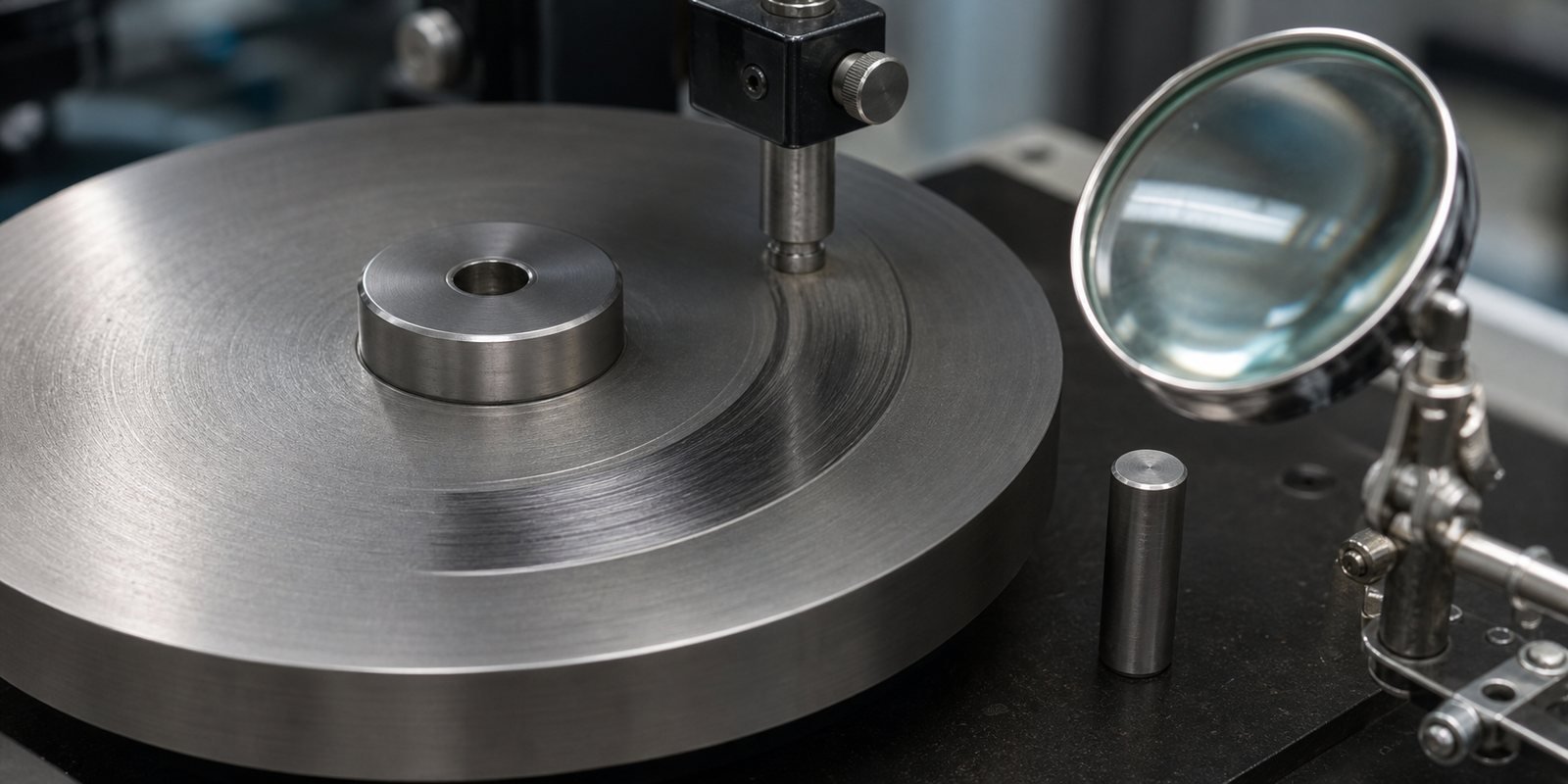
Quick answer: Quenched-and-tempered 4140 offers moderate-to-high wear resistance and a strong, tough core. Induction hardening, nitriding or another qualified surface treatment can improve wear at journals, pins and gear surfaces. It is not automatically the best choice for severe abrasion, hot wear or corrosion-wear.
Wear is not one phenomenon
Abrasive wear occurs when hard particles or asperities cut the surface. Adhesive wear develops when contacting surfaces locally bond and tear. Rolling-contact fatigue creates subsurface cracks and pitting. Fretting combines small oscillating motion with oxidation, while erosion and corrosion-wear involve fluid or chemical effects.
A material that performs well in lubricated rolling contact may fail rapidly in mineral abrasion. Define the actual wear mode before comparing grades or surface treatments.
What base 4140 contributes
The chromium-molybdenum composition gives 4140 good hardenability and lets a quenched-and-tempered section develop a strong tempered-martensite structure. Compared with soft carbon steel, higher bulk hardness usually reduces adhesive and mild abrasive wear. The tempered core can also support contact load and resist shock.
Bulk hardness cannot be raised indefinitely without affecting toughness. Pins, gears and shafts often need a hard working surface over a core that can tolerate bending and impact.
Surface-hardening options
| Process | What it changes | Key controls |
|---|---|---|
| Induction hardening | Transforms a localized surface layer to high-hardness martensite | Pattern, case depth, quench, temper, cracking and distortion |
| Nitriding | Forms a hard diffusion zone at comparatively low temperature | Prior Q&T condition, compound layer, case depth, surface preparation |
| Carburizing / carbonitriding | Not the default route for medium-carbon 4140 | High carbon and distortion risk require specialist review |
| Hard coating | Adds a distinct wear or friction layer | Adhesion, substrate hardness, edge geometry and service temperature |
| Grinding / superfinishing | Controls roughness and contact stress | Burn, residual stress, waviness and cleanliness |
Hardness profile matters more than a surface reading
A surface hardness value does not show effective case depth, transition shape or core properties. Under high contact load, a thin hard layer can collapse if the substrate is too soft. Conversely, an excessively deep or brittle case may crack at edges or stress raisers.
A qualified plan may require a hardness traverse, metallographic case-depth measurement, microstructure and crack inspection. The drawing should identify where the hardened pattern starts and stops.
Lubrication, finish and design
Lubricant viscosity, contamination control and supply determine whether metal surfaces separate. Surface roughness, waviness and lay influence film formation and local stress. Misalignment or a sharp edge can concentrate load and overwhelm a nominally adequate material.
Counterface hardness and compatibility also matter. Two similar hard surfaces may scuff without appropriate finish and lubrication, while embedded abrasive particles can turn a seal or bushing into a cutting tool.
When 4140 is not enough
Severe mineral abrasion may favor a higher-alloy tool steel, carbide overlay or replaceable wear system. High-temperature sliding may require a hot-work steel or nickel alloy. Wet chloride or chemical exposure can require corrosion-resistant material because corrosion removes protective surfaces and accelerates mechanical wear.
Compare lifecycle cost, repairability and downtime. A replaceable bushing made from the right wear material can be better than hardening an entire expensive shaft.
Conclusion
4140 provides a useful foundation for wear-resistant components, especially when a tough core is paired with a controlled hard surface. Successful wear design specifies mechanism, contact, case, finish and lubrication together.
Technical references
ASTM G99 wear testing standard · SAE J412 steel characteristics
Discuss Your Requirement with SAKYMETAL
Provide the contact load, motion, counterface, contaminants, lubricant, temperature, target hardness and case depth, final finish and inspection requirements.
Next step: view related products or contact SAKYMETAL.
Technical note: This article is a general selection guide. Final material, condition, dimensions, testing and acceptance criteria shall follow the purchase order, governing specification and material test certificate.